Damp Proofing vs Waterproofing: What’s the Difference and Why It Matters
Damp proofing and waterproofing are often used interchangeably, but they solve different problems. Confusing the two or applying the wrong one is one of the most common reasons a moisture issue keeps coming back after “treatment”. This article explains what each term actually means, when each is needed, and why getting the distinction right affects the long-term condition of your property.
What Is Damp Proofing?
Damp proofing addresses moisture that rises or penetrates through building materials, typically walls and floors. It’s most commonly associated with rising damp, where groundwater is drawn up through brick or masonry due to capillary action, and with penetrating damp caused by cracks, poor pointing, or failed seals.
A typical damp proofing solution involves injecting a chemical damp-proof course into the base of affected walls, along with re-plastering using breathable, salt-resistant materials. The goal is to stop moisture migrating through the structure, not to create a watertight barrier against standing water or direct rainfall.
What Is Waterproofing?
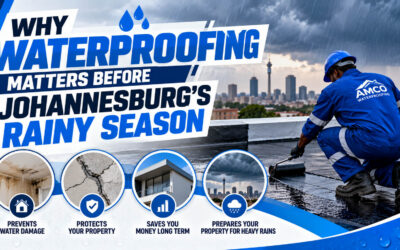
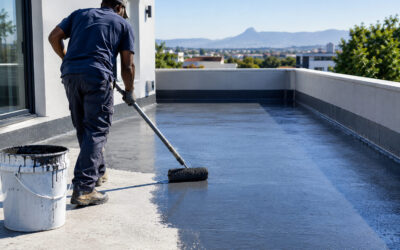
Waterproofing is designed to keep water out entirely, even under direct or sustained exposure. It’s used on surfaces that are regularly exposed to water: flat roofs, balconies, parapet walls, water tanks, basements, and foundations.
Proper waterproofing involves applying a membrane or coating system — such as torch-on, liquid-applied, or cementitious systems — matched to the surface and the level of exposure it needs to withstand. Unlike damp proofing, which manages moisture already inside a structure, waterproofing is a preventative barrier that stops water getting in in the first place.
Key Differences Between Damp Proofing and Waterproofing
- Purpose: Damp proofing manages moisture movement through materials; waterproofing creates a barrier against direct water contact
- Typical location: Damp proofing is applied to walls and floors; waterproofing is applied to roofs, balconies, tanks, and below-ground structures
- Exposure level: Damp proofing deals with gradual moisture ingress; waterproofing deals with standing water, rainfall, or constant water pressure
- Materials used: Damp proofing uses chemical injections and breathable plaster systems; waterproofing uses membranes, coatings, and sealants
Both fall under the same broader goal protecting a building from water damage buDt the method, materials, and application point are different. Treating a waterproofing issue with a damp proofing product, or the reverse, typically means the underlying problem is still active once the work is finished, even though it may look resolved for a few weeks or months.
When You Need One, the Other, or Both
Situations That Call for Damp Proofing Services
If you’re noticing a musty smell, powdery white deposits on brickwork, or plaster that’s crumbling or staining near skirting level, this points to rising or penetrating damp. These are signs that damp proofing services are needed to treat the source within the wall itself.
Situations That Call for Waterproofing Services
If water is pooling on a flat roof after rain, a balcony leaks into the room below, or a below-ground wall shows damp only after heavy rainfall, the issue is water ingress from an exposed surface. This calls for waterproofing services rather than a damp-proof course.
Many properties need both. A leaking roof can, over time, introduce enough moisture into a wall to cause rising or penetrating damp lower down, and a below-ground wall exposed to groundwater may need a waterproofing membrane on the outside as well as a damp-proof course on the inside. In these cases, treating only one issue without the other means the problem is likely to return, often in the same spot within a season or two.
Why the Distinction Matters for Your Property
Applying a damp-proof injection to a wall that’s actually being fed by a leaking roof won’t resolve the issue the moisture source is still active. Equally, waterproofing a wall that has rising damp from groundwater won’t stop moisture already moving upward through the brickwork.
This is why an accurate diagnosis matters more than the treatment itself. A professional assessment identifies whether the issue is rising damp, penetrating damp, condensation, or direct water ingress, and treats the actual cause rather than the visible symptom. Getting this wrong doesn’t just waste money on the wrong fix it can also delay proper treatment while the underlying damage continues.
Because damp proofing and waterproofing frequently overlap on the same property, working with a company that offers both under one roof means the diagnosis considers the full picture, rather than one contractor treating a wall while missing that the roof above it is the actual source.
Summary
Damp proofing and waterproofing are related but distinct services. Damp proofing treats moisture already moving through walls and floors; waterproofing prevents water from getting into roofs, balconies, tanks, and below-ground structures in the first place. Many properties need a combination of both, and an accurate diagnosis is what determines which one or both a specific problem actually requires.
For an assessment of your property’s damp or water ingress issue, contact Amco Waterproofing on 067 418 5126 or 011 672 2912, email info@amcowaterproofing.co.za,